

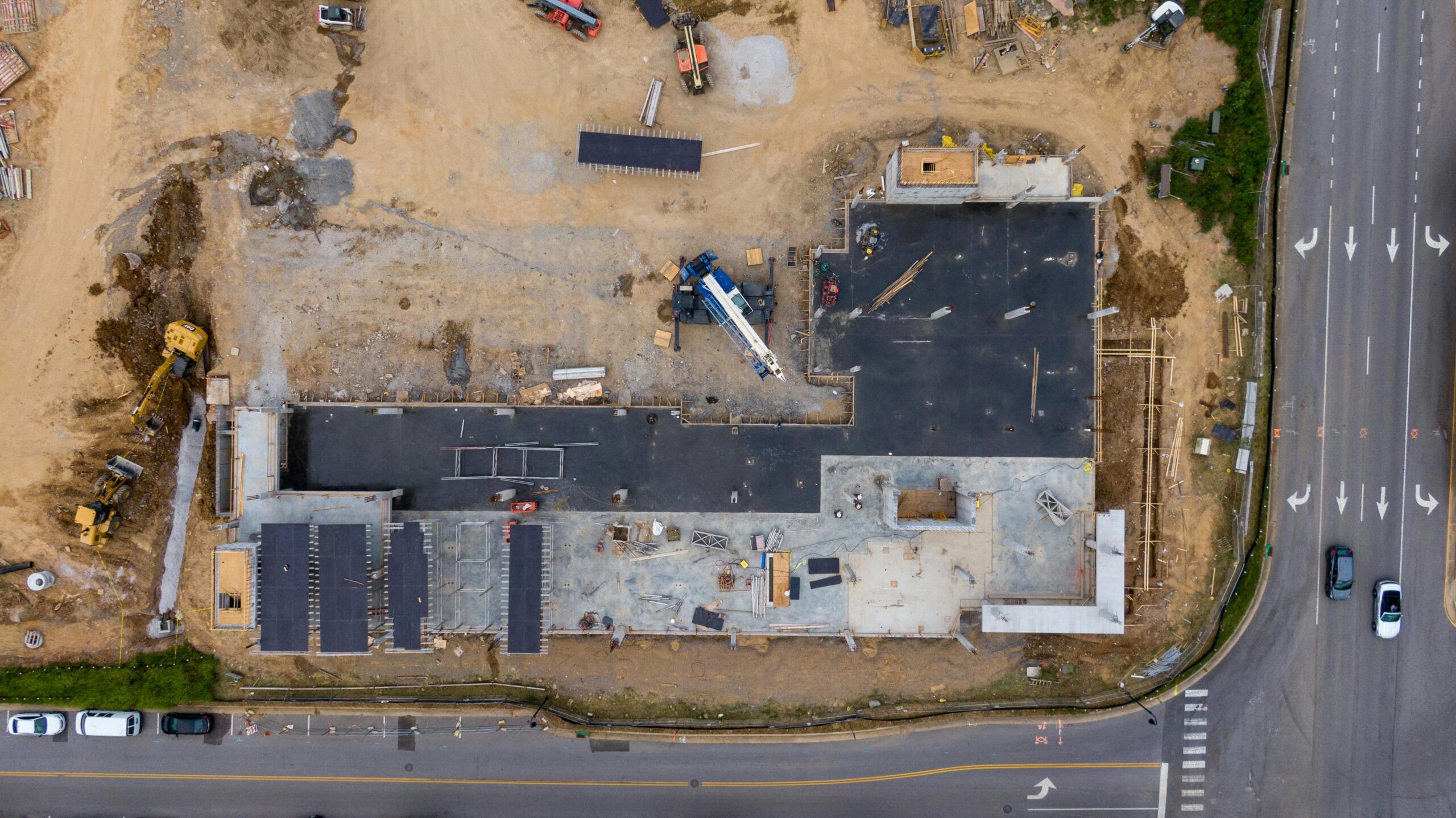
Introduction: Construction Costs in Pakistan Enter a New Era
As Pakistan moves into 2026, the construction industry continues to face mounting pressure from inflation, rising energy costs, and fluctuating material prices. What began as instability in 2024 has now evolved into a long-term challenge affecting homeowners, developers, and contractors alike.
From cement and steel to labor and logistics, construction expenses have reached historic highs—making informed planning more important than ever.
This guide provides a complete, updated breakdown of construction costs in Pakistan, supported by charts, tables, and expert insights.

Current Construction Cost in Pakistan (2026)
Average Residential Construction Cost
| Property Type | Estimated Cost (2026) |
|---|---|
| 5–6 Marla House | PKR 6.2 – 6.8 million |
| 10 Marla House | PKR 10 – 12 million |
| Cost per sq. ft | PKR 3,200 – 8,500 |
Costs vary depending on location, design, material quality, and labor availability.
Cement Prices in Pakistan – 2026 Update
Cement remains the most influential cost component in construction.
🧱 Cement Price by City (50kg Bag)
| City | Price Range (PKR) |
|---|---|
| Lahore | 1,480 – 1,600 |
| Karachi | 1,450 – 1,580 |
| Islamabad | 1,500 – 1,620 |
| Faisalabad | 1,460 – 1,580 |
📊 Cement Price Trend (2024–2026)

Trend Summary:
- 2024: PKR 1,200
- 2025: PKR 1,450
- 2026: PKR 1,550
Key Reasons for Price Increase:
- Higher electricity and coal prices
- Rupee depreciation
- Increased cement exports
- Transportation and fuel costs
Steel Prices in Pakistan (2026)
Steel continues to be one of the most volatile materials in the construction sector.
Steel Rate (Grade 60)
| Year | Price per Kg |
|---|---|
| 2024 | PKR 230 |
| 2025 | PKR 260 |
| 2026 | PKR 280 – 295 |
Steel Price Trend Chart

Steel prices fluctuate due to:
- Global iron ore prices
- Import dependency
- Energy costs
- Currency fluctuations
Other Construction Material Costs (2026)
| Material | Average Price |
|---|---|
| Bricks | PKR 14 – 20 per brick |
| Crush | PKR 210 – 250 / cubic ft |
| Sand | PKR 90 – 130 / cubic ft |
| Tiles | PKR 2,200 – 5,000 / sqm |
| Labor | PKR 500 – 650 / sq. ft |
Labor costs have increased by nearly 20% due to inflation and skilled worker shortages.
Why Construction Costs Are Rising in Pakistan
Energy Price Inflation
Higher electricity and fuel prices directly increase manufacturing and transport costs.
Currency Devaluation
A weaker rupee makes imported materials significantly more expensive.
High Demand vs Limited Supply
Infrastructure development and housing demand continue to strain supply chains.
Export Growth
Increased cement exports reduce domestic supply, pushing prices upward.
Policy & Tax Changes
Fluctuating taxation and energy tariffs create market uncertainty.
Impact on Builders & Homeowners
Key Challenges
- Rising project budgets
- Delays due to cost revisions
- Reduced affordability
- Compromised material quality
Housing Affordability
With rising material and labor costs, homeownership is becoming increasingly difficult for middle-income families.
Smart Cost-Saving Strategies for 2026
✅ Buy materials during off-season (Nov–Feb)
✅ Use locally manufactured materials
✅ Simplify architectural designs
✅ Opt for energy-efficient construction
✅ Work with professional consultants
✅ Lock prices through bulk purchasing
Construction Outlook for 2026 & Beyond
Despite current challenges, Pakistan’s construction sector shows cautious optimism:
✔ Growing housing demand
✔ Expansion of infrastructure projects
✔ Increased adoption of green construction
✔ Better cost planning practices
✔ Improved supply chain management
While prices may remain high, smart planning can significantly reduce overall project costs.
Construction in Pakistan has shifted from low-cost building to strategic development.
In 2026, success depends on:
- Accurate budgeting
- Market awareness
- Efficient design
- Smart material selection
- Professional execution
Those who plan wisely will continue to build successfully despite rising costs.
📌 Disclaimer:
All prices are estimates based on early 2026 market data and may vary depending on city, supplier, and economic conditions.